
The hardware version of a virtual machine (VM) reflects the virtual hardware features and functions that the VM supports, which in turn relate to the hardware available on a physical host. When you create a VM, you can choose either the default...
Sometimes you may need to convert a virtual disk file from one format to another. Converting virtual disks can be required when migrating a virtual machine from one hypervisor to another for testing purposes, or if you have selected an inadequate...
If you’ve never used VMware, vast array of products and features associated with this vendor may seem nothing less than confusing. The aim of this blog post is to demystify and explain the difference between vSphere, ESXi, and vCenter. In fact, the...
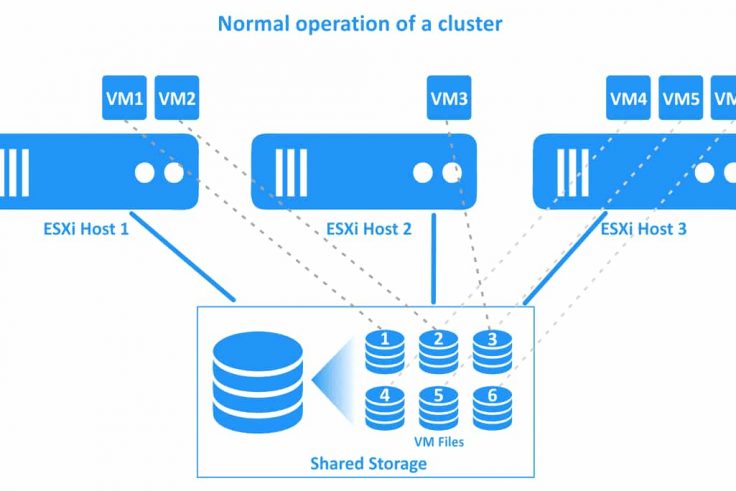
A VMware hypervisor allows you to run virtual machines on a single server. You can run multiple virtual machines on a standalone ESXi host and deploy multiple hosts to run more virtual machines. If you have multiple ESXi hosts connected via the...
VMware vSphere Resources HotAdd/HotPlug Explained In a VMware vSphere environment, provisioned resources may not be enough for the required performance level when you have a powerful application running on a VM. In this case, the optimal solution is...